Feeling better is valuable. But the real finish line is being able to do what matters to you with enough capacity, control and confidence.
Pain can improve before capacity returns
Symptoms often reduce faster than strength, endurance or tissue capacity rebuild. Returning immediately to the same workload that caused trouble can create another spike in symptoms.
Rehab should have a destination
Exercises should not exist just to fill a session. Each phase should connect to a meaningful goal such as walking farther, lifting at work, returning to the gym, playing sport or managing childcare without fear.
Progressive loading is the bridge
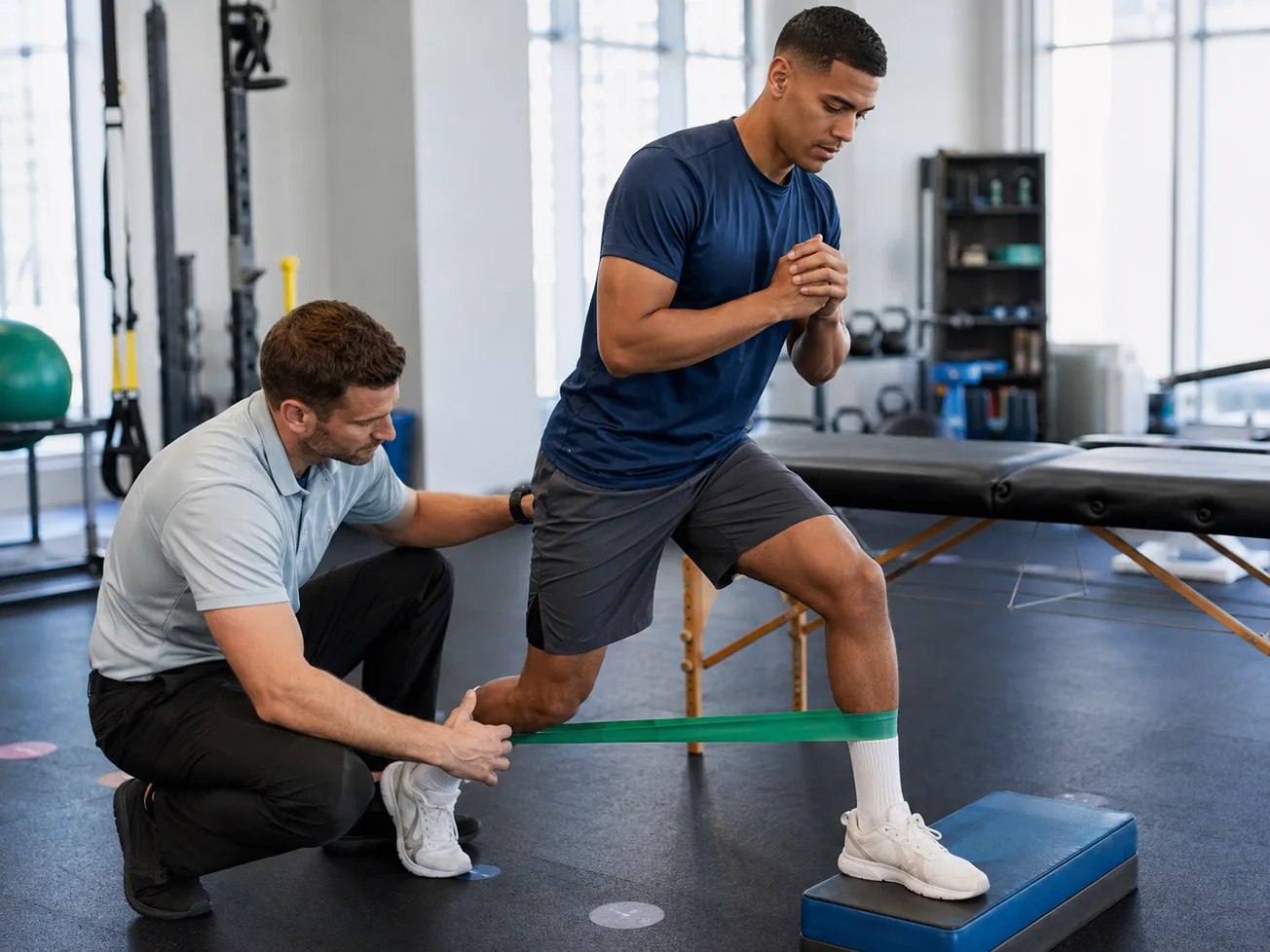
Rehabilitation normally moves from tolerable basics toward more demanding strength, speed, balance, power or endurance. The exact sequence depends on the condition and the person’s goals.
Confidence changes how people move
After injury or persistent pain, hesitation is understandable. Safe, graded exposure can help people trust the body again while the physical capacity is rebuilt.
Know when the plan needs reassessment
Repeated flare-ups, swelling, giving-way, new neurological symptoms or failure to progress may mean the diagnosis, load, technique or program needs another look rather than simply doing more of the same.
This article provides general physiotherapy education and is not a diagnosis or substitute for urgent medical care.