
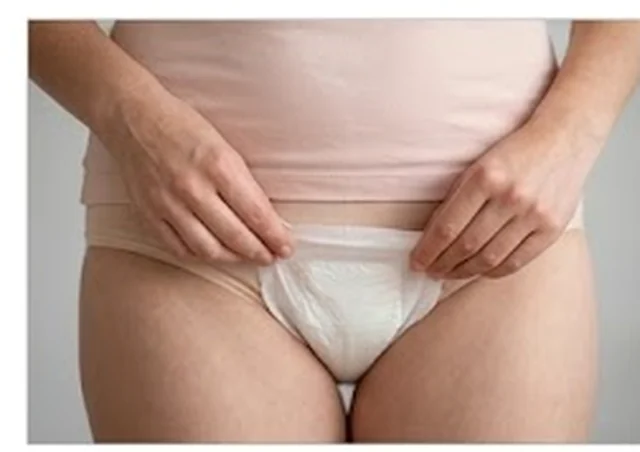
Leaking urine with coughing, sneezing, jumping or running is common, but “common” does not mean you have to simply live with it.
Why leakage can happen
The pelvic floor works with breathing, abdominal pressure, hips and trunk. Symptoms can appear when the system does not coordinate well enough for the pressure created by coughing, lifting, jumping or running.
It is not always just about doing more Kegels
Some people need better pelvic-floor strength, while others may need relaxation, timing, breathing coordination or changes to how they load the body. Repeating squeezes without assessment is not the right answer for everyone.
Exercise does not always need to stop
A good plan often modifies impact, load or technique while building capacity. The goal is usually to help you return to the activities you value with better control and confidence.
Assessment should be respectful and consent-led
A women’s-health physiotherapy consultation begins with history and goals. Any physical examination should be explained clearly, relevant to the problem and performed only with informed consent.
When to seek medical advice
Blood in the urine, recurrent urinary infections, significant pelvic pain, sudden new bladder symptoms, numbness or neurological symptoms require appropriate medical assessment rather than self-treatment alone.
This article provides general physiotherapy education and is not a diagnosis or substitute for urgent medical care.