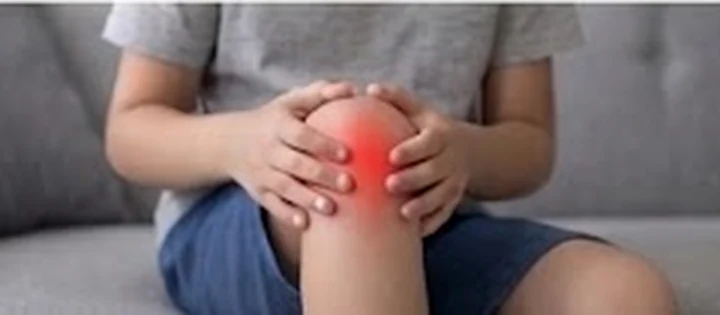
After a knee or ACL injury, “it feels better” is encouraging—but a safe return to sport usually needs more than pain relief alone.
Pain relief is only the first checkpoint
Pain settling can allow activity to restart, but it does not automatically mean the knee has regained the strength, control and workload tolerance needed for running, cutting, jumping or contact sport.
Strength needs to be rebuilt progressively
Quadriceps, hamstrings, calf, hip and trunk capacity all influence how the knee handles force. Rehabilitation should progress from basic strength to faster and more demanding tasks based on the person’s sport and stage of recovery.
Control and confidence matter
Single-leg balance, landing quality, deceleration and change-of-direction tasks can reveal deficits that are not obvious during normal walking. Fear or hesitation can also affect movement and should be addressed rather than ignored.
Return-to-sport should be task-specific
A runner, footballer and recreational gym-goer do not need the same final-stage testing. The plan should reflect the actual movements, speed, duration and fatigue demands the person needs to tolerate.
When to get assessed
Persistent swelling, repeated giving-way, locking, inability to regain strength, or pain that worsens with progression deserves individual assessment. After surgery, progression should also respect the surgeon’s protocol and tissue-healing stage.
This article provides general physiotherapy education and is not a diagnosis or substitute for urgent medical care.